About Lake Toba: The Majestic Volcanic Lake of North Sumatra
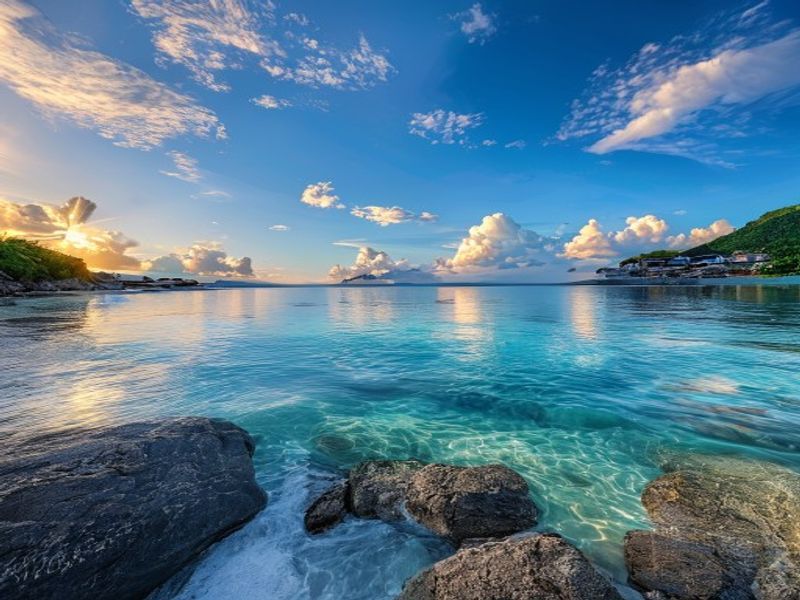
Lake Toba, known locally as Danau Toba, is a geological marvel that dominates the landscape of North Sumatra. This enormous body of water, measuring 100 kilometers in length, 30 kilometers in width, and plunging to depths of 508 meters, occupies the caldera of a supervolcano that produced one of Earth's most catastrophic eruptions approximately 74,000 years ago. That eruption, estimated to be several thousand times more powerful than the 1980 Mount St. Helens eruption, ejected so much material into the atmosphere that it triggered a volcanic winter lasting several years and may have caused a population bottleneck in human evolution. Today, this ancient caldera has been transformed into a serene lake perched at 900 meters above sea level, surrounded by verdant mountains and traditional Batak villages.
At the heart of Lake Toba lies Samosir Island, an island nearly the size of Singapore that rises from the lake's center. Samosir itself contains two smaller lakes, making it one of the few places on Earth with lakes within a lake on an island within a lake. The island serves as the cultural heartland of the Batak people, particularly the Batak Toba ethnic group, who have inhabited this region for centuries. Traditional Batak architecture, characterized by distinctive boat-shaped roofs called rumah adat, dots the landscape. These intricately carved wooden houses, built without nails using an ingenious mortise and tenon system, stand as testaments to Batak craftsmanship and engineering prowess.
The Batak culture is rich with traditions that continue to thrive around Lake Toba. The Sigale-gale dance, performed by a wooden puppet controlled by strings, originated as part of funeral rituals and now entertains visitors while preserving cultural heritage. Traditional Batak music, featuring instruments like the gondang (drums) and hasapi (lute), accompanies ceremonies and celebrations. Stone tombs of Batak kings, some dating back hundreds of years, can be found in villages like Tomok, where the elaborate sarcophagus of King Sidabutar attracts history enthusiasts. The Batak script, an ancient writing system derived from Brahmic scripts of India, appears on traditional magic books called pustaha, which contain the wisdom of Batak priests and shamans.
For travelers, Lake Toba offers experiences ranging from peaceful relaxation to cultural immersion. The town of Parapat on the eastern shore serves as the primary gateway, with frequent ferries departing for Samosir Island. Tuk Tuk, a small peninsula on Samosir's eastern edge, has evolved into the main tourist hub, offering guesthouses, restaurants, and spectacular sunset views across the lake. Swimming in the lake's cool, clear waters provides refreshing relief from tropical heat, though the depth and occasional currents require caution. Renting a motorcycle or bicycle allows exploration of Samosir's scenic roads, which wind through rice paddies, traditional villages, and viewpoints overlooking the vast lake.
The natural beauty surrounding Lake Toba extends beyond the water itself. Hot springs at Pangururan, where Samosir connects to the mainland via a narrow isthmus, offer therapeutic soaks with mountain views. Waterfalls cascade down the caldera walls, including the picturesque Sipiso-piso waterfall near Tongging village, which plunges 120 meters from a plateau into the lake basin. The cooler highland climate makes outdoor activities comfortable year-round, with daytime temperatures typically ranging from 22 to 28 degrees Celsius.
Local cuisine around Lake Toba reflects both Batak traditions and the abundant freshwater resources. Arsik, a spicy fish dish cooked with torch ginger and Batak spices, showcases the region's culinary heritage. Saksang, traditionally made with pork or buffalo cooked in blood and spices, is a ceremonial dish that appears at important celebrations. The lake's abundant tilapia and carp feature prominently in local menus, often grilled fresh and served with sambal. Coffee cultivation in the surrounding highlands produces excellent Sumatran coffee, best enjoyed while watching the morning mist lift from the lake's surface.
Accessing Lake Toba has become increasingly convenient with improved infrastructure. Silangit International Airport, located about 50 kilometers from Parapat, receives direct flights from Jakarta and other major Indonesian cities. From the airport or from Medan, the provincial capital located 176 kilometers north, buses and private vehicles make the scenic journey through pine forests and mountain roads to the lake. The Indonesian government has designated Lake Toba as one of the country's ten priority tourism destinations, leading to ongoing improvements in facilities, accommodation, and connectivity.
The best time to visit Lake Toba is during the dry season from May to September, when rainfall is minimal and lake conditions are ideal for water activities. However, the lake's high elevation and equatorial location mean that pleasant weather prevails throughout most of the year. Cultural festivals, particularly around Christmas and Batak New Year celebrations, offer unique opportunities to witness traditional ceremonies, music, and dance performances.
Whether seeking cultural enrichment, natural beauty, or simply a peaceful escape from urban life, Lake Toba delivers an experience that combines geological wonder, cultural depth, and scenic splendor. The sight of sunrise over the lake, when golden light illuminates the surrounding mountains and reflects off the still water, or the experience of attending a traditional Batak ceremony with its hypnotic gondang rhythms, creates memories that endure long after departure. This is Sumatra at its most magnificent - a place where nature's power and human culture have intertwined to create something truly extraordinary.